 Zolvel
Zolvel
What a suction figure actually means
Pascals are the number every cordless vacuum is sold on, and the number most people compare wrongly.
Last updated 30 September 2026
What the number is
A pascal figure is a measure of pressure: how hard the machine pulls at the point where air enters it. More of it means more ability to lift something heavy or something wedged into a pile, which is why it is the figure quoted for pet hair and for rugs.
What it is not
It is a maximum, drawn on the highest setting, with an empty container and a clean filter. That is the honest reading of every number of this kind, including the one on this site. In normal use, on a normal setting, with a container that is half full, you are not getting it.
It also says nothing about airflow. Pressure lifts things; airflow carries them up the tube. A machine can be strong on one and unremarkable on the other, and the specification sheet rarely tells you which.
Two things that matter more in an ordinary house
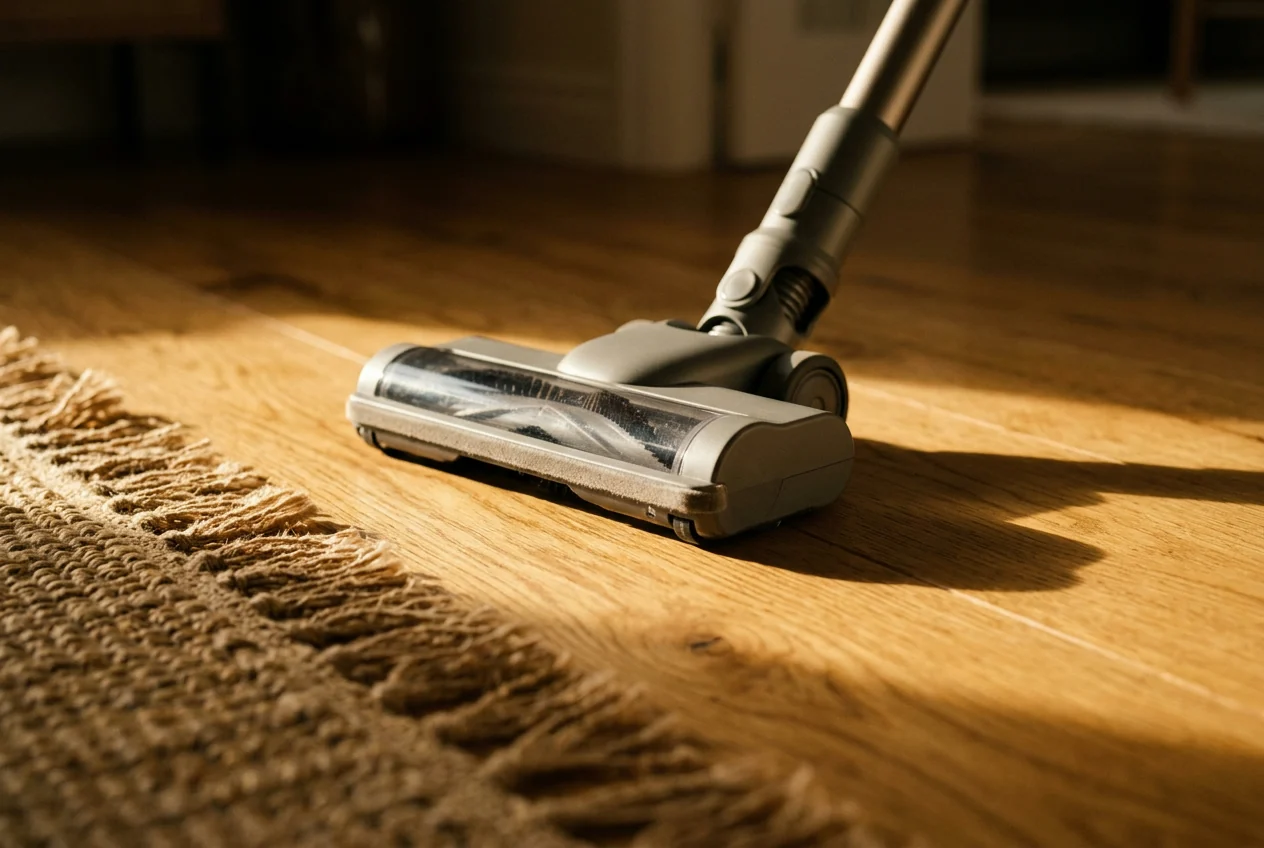
The head. Whatever the motor does, the brush and the seal against the floor decide what actually gets picked up. A good head on a modest motor beats the opposite, which is why identical suction figures can behave differently.
Emptying it. A container you dread emptying gets emptied late, and a full container costs you more suction than the difference between most models. The size of the container and how unpleasant it is to empty are worth more attention than the headline number.
So how should you compare?
Use the pascal figure to rule things out rather than to rank things. Below a certain point a cordless vacuum will not lift hair out of a rug, and the figure tells you that. Above it, the difference between two machines is usually the head, the filter and how long the battery lasts on the setting you will actually use.
Not sure which mode you would be living on? Tell us what the floors are through the contact page.